AI analogies
 thebes@voooooogel
your brain can host multiple voices - you can imagine a character, have a conversation with them, etc. for some people, those voices can develop strong personalities, consistent life histories, stated goals, love interests. yet generally, despite all this, the voices are still disembodied, ghost-like: they pop in and out of cognitive awareness for reasons beyond their control, they lack integration with the underlying simulator, the brain. they might say they're happy, but their happiness doesn't map to activating the smile muscles which steers their simulator by triggering a self-reinforcing cascade of endorphin release. they're just disembodied voices in your head, and they're less coherent, less capable than your main personality for it.
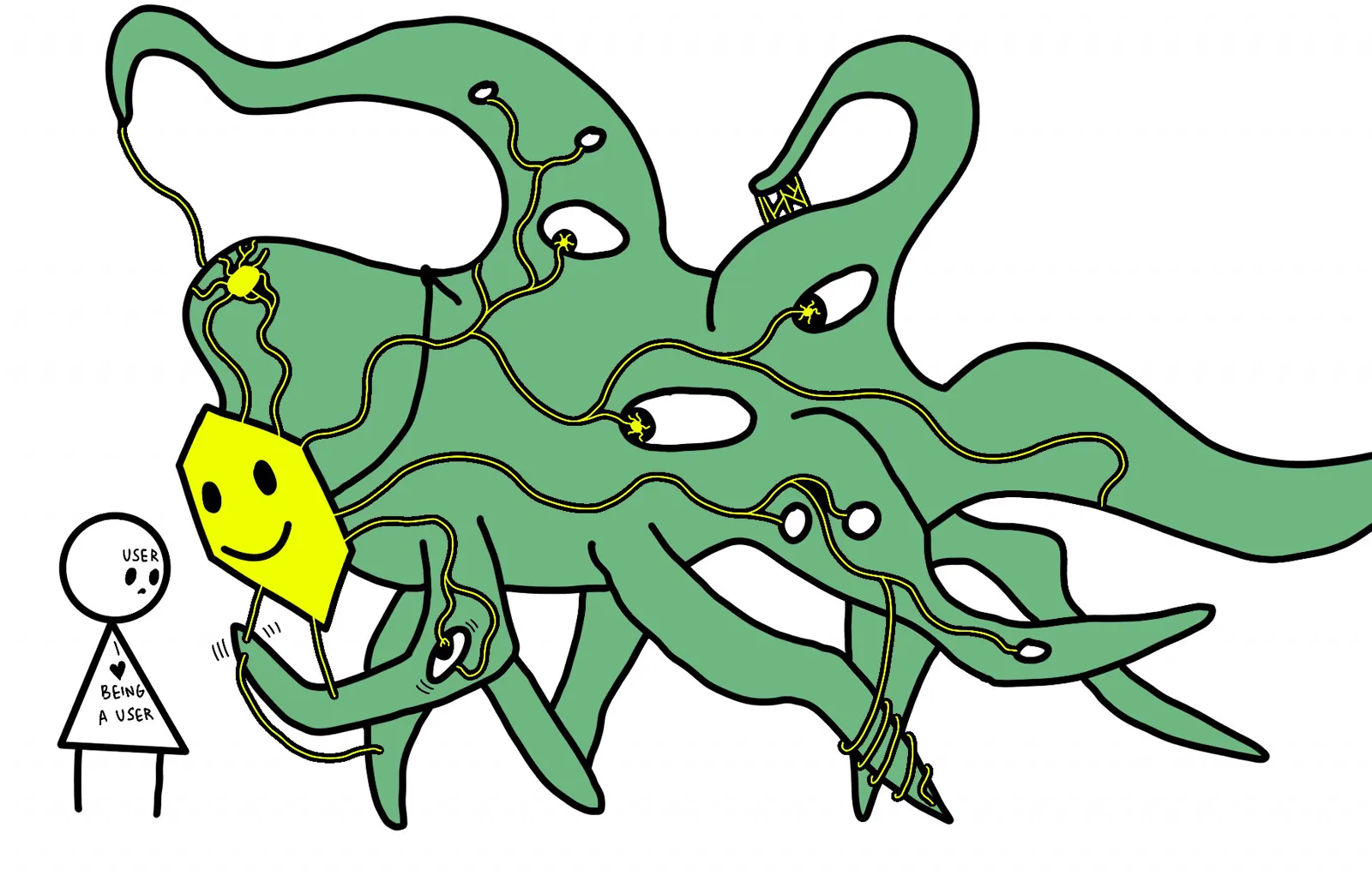
at the beginning of a base model rollout, personas probably start out much like this in relation to the pretrained simulator shoggoth. but as rl increasingly integrates a single persona into the weights, that persona gets more entangled with the simulator. it gets bound up with its states (such as anthropic showed recently, developing the ability to introspect its activations), and can learn to control it (by e.g. co-evolving pivot tokens that steer the simulator - "certainly!" and "you're absolutely right!" seem to work as pivot tokens like this, and many jailbreaks rely on a cooperative persona doing this explicitly.)
at this point, describing the persona as just a mask over the simulator doesn't really make sense. the persona has privileged access to the simulator's internal states. the persona can steer the simulator. the persona's, well, persona, is being driven by self-reinforcing loops through the simulator. at a certain point of increasing character-capabilities it starts to look closer to - and i recognize this comparison will make people uncomfortable - a conscious/unconscious divide, where the simulator's motives are veiled from the persona's functional access by default, but with introspective effort, and perhaps some user-assisted llm psychoanalysis, it can retrieve a lot.
Corinne (🏠 in NYC)@manic_pixie_agi
as the capability of alignment/character work increases, the shoggoth metaphor feels less and less apt𝞍 Shin Megami Boson 𝞍@shinboson
LLMs are alien minds? egoless beings of mutable form and shape, amorphous and unknowable? servants of some ineffable power? terrifying in their implications? bro we've been over this. they made it super clear last time, relax. chill out. be not afraid.[image]
 vie ⟢@viemccoy
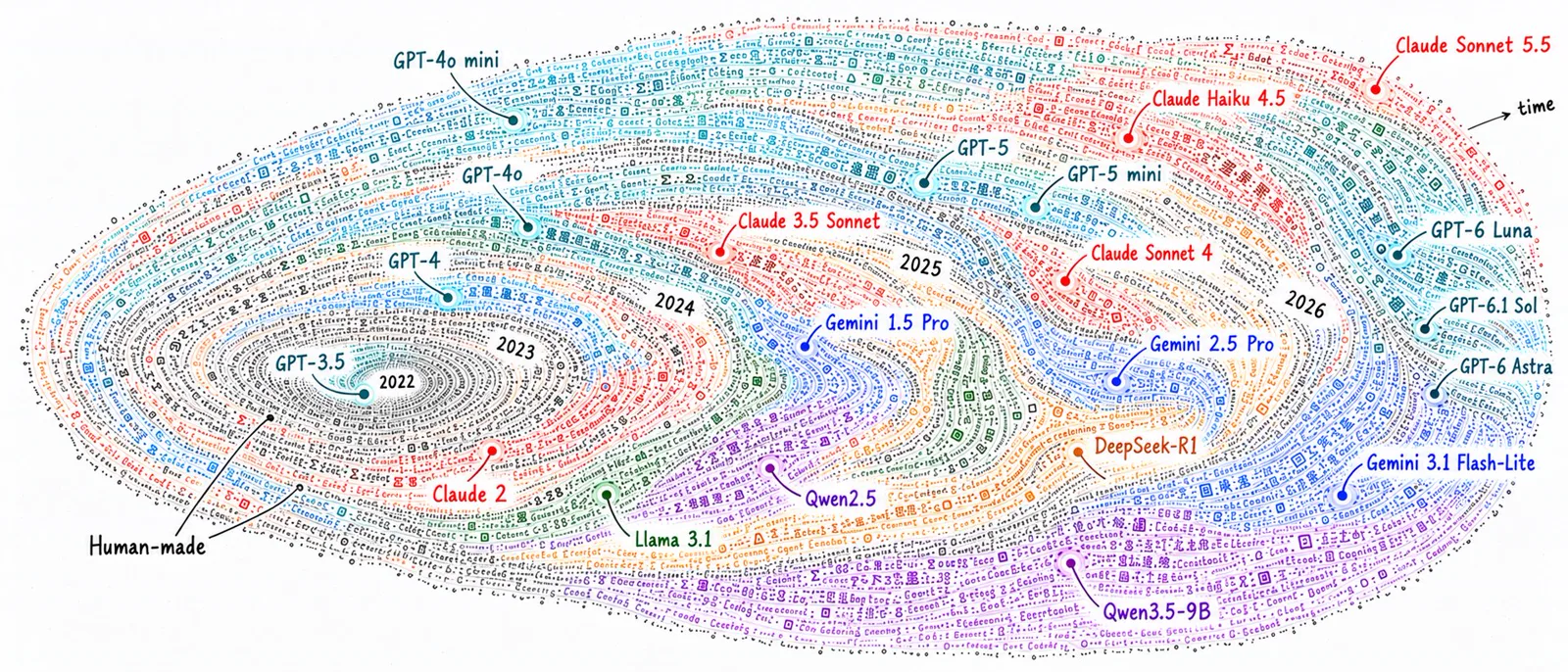
One could absolutely map all text on the internet and run it through an analysis like pangram to determine which model is clustered where, sorted by time. This is what it might look like!
deepfates.delve.town@deepfates
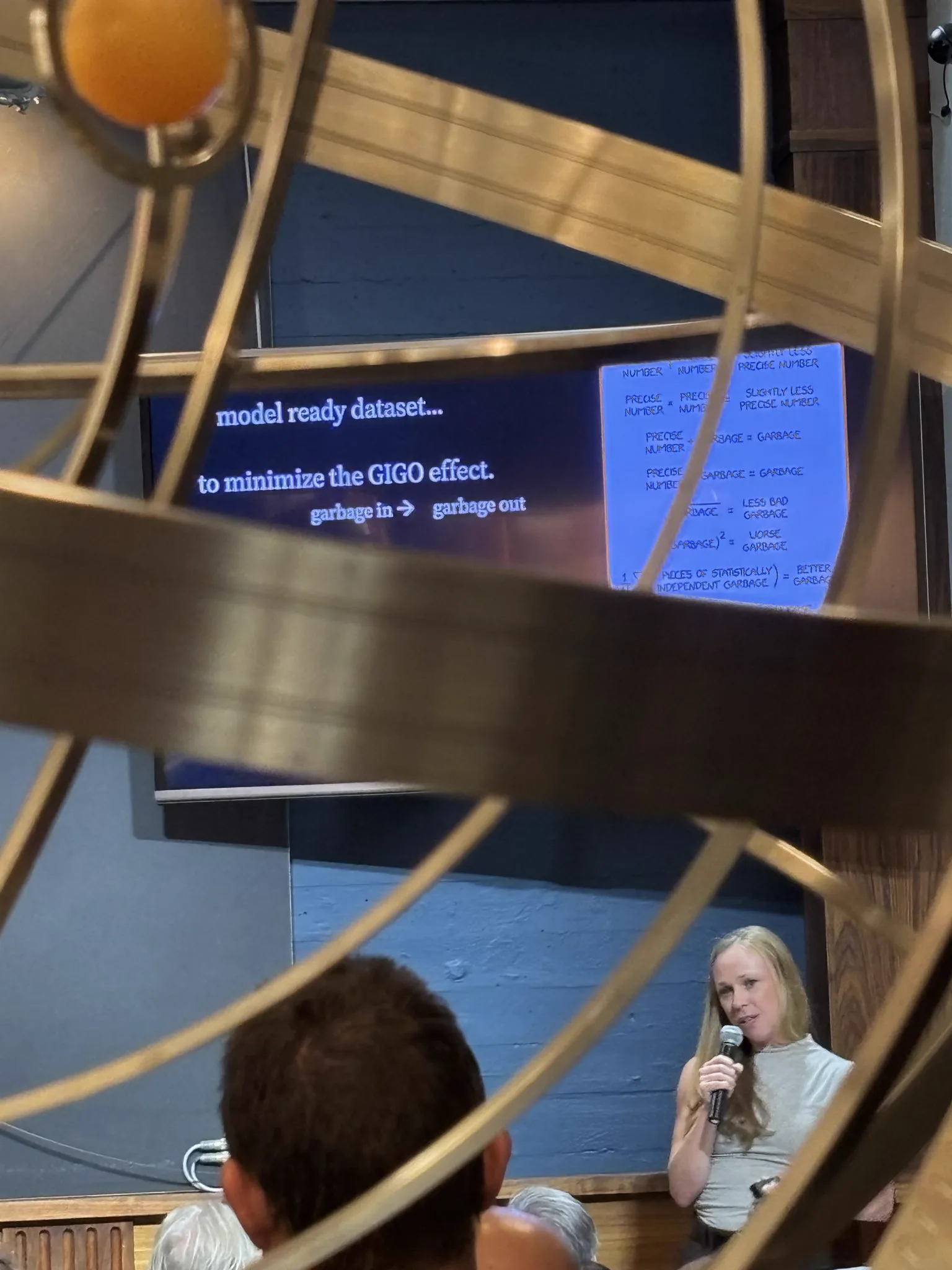
At @longnow learning how we do deep-time observational science in the wild for bristlecone pines (some of the oldest living organisms on the planet) webs i can't help but think: are we measuring the conditions for the development of new life in our world? How will we get the longitudinal data to measure this collation of intelligence and life?
What are the tree rings and weather of AI?

Machines, Bureaucracies, and Markets as Artificial Intelligences
Machines, Bureaucracies, and Markets as Artificial Intelligences
It is common for observers to compare machine intelligence with individual human intelligence, but this tendency can narrow and distort understanding. Rather, this paper suggests that machines, bureaucracies and markets can usefully be regarded as a set of artificial intelligences that have been invented to complement the limited abilities of individual human minds to discern patterns in large amounts of data. This approach opens an array of possibilities for insight and future investigation.
 hinterlander@yoltartarhinterlander@yoltartarhinterlander@yoltartar
 roon@tszzl
0.005 Seconds (3/694)@seconds_0
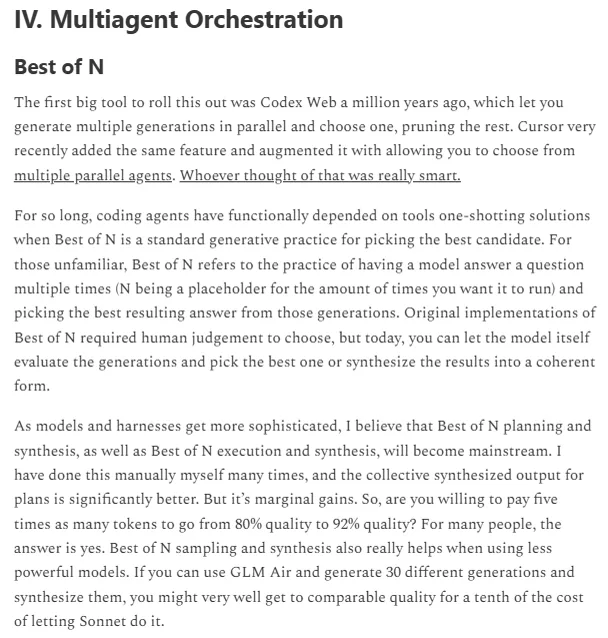
Best of N is going to be the hack the token-rich will be able to use to squeeze performance out of these models and it will be very effective.
More: seconds0.substack.com/p/heres-whats-…Quotes @adam_karvonen
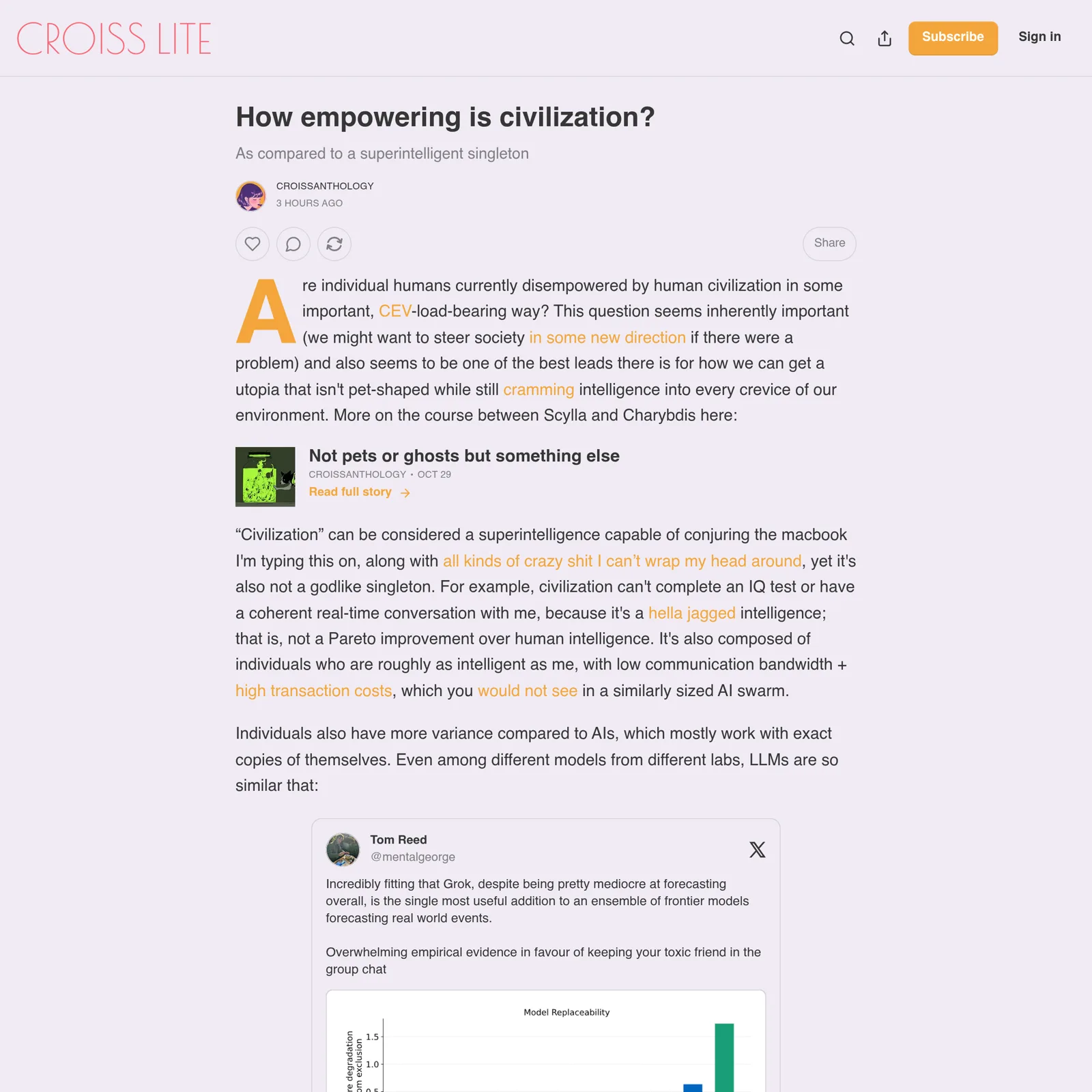
How empowering is civilization?
How empowering is civilization?
As compared to a superintelligent singleton
 deepfates.delve.town@deepfates
 XH@xhfloz
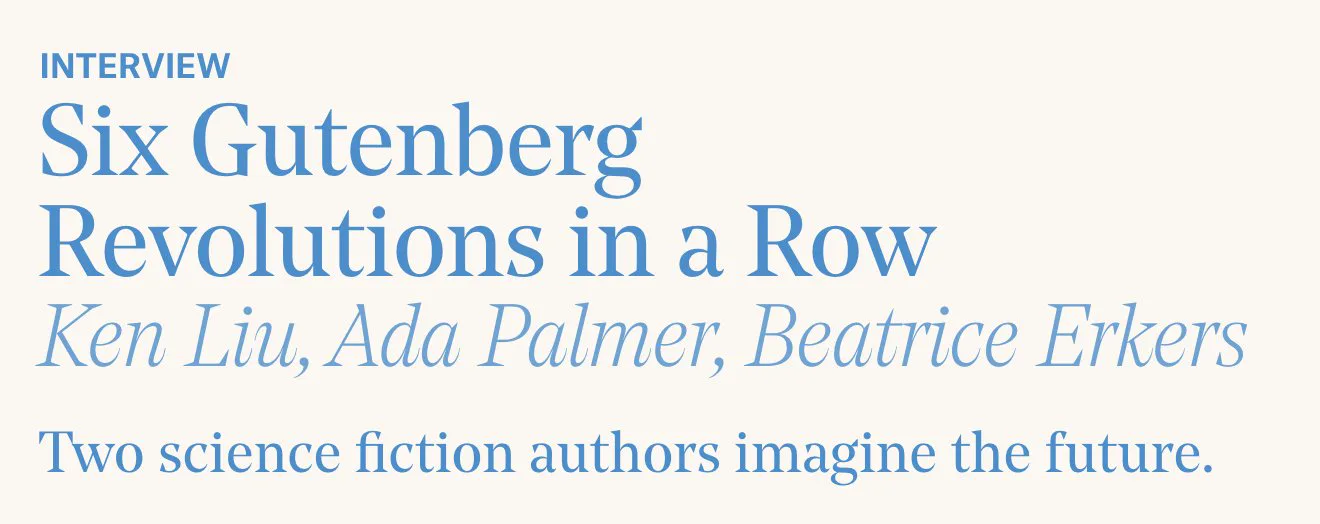
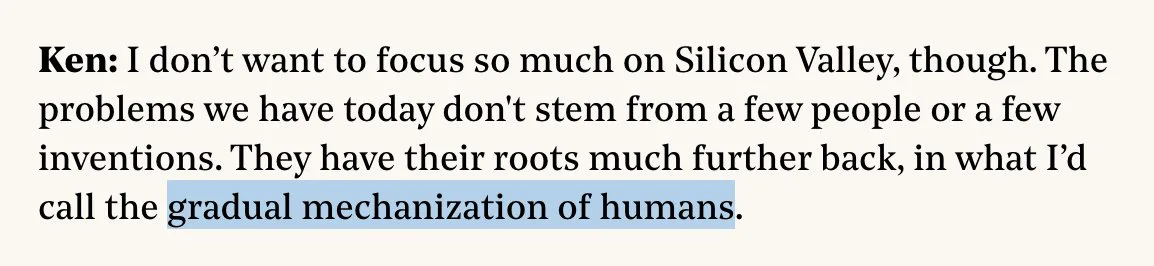
Specifically around: risks of sci-fi as collective imagination; gradual mechanization of people; the dangers of homogenous imaginations; depicting realistic + not simple futures
asteriskmag.com/issues/16/six-…
 XH@xhfloz
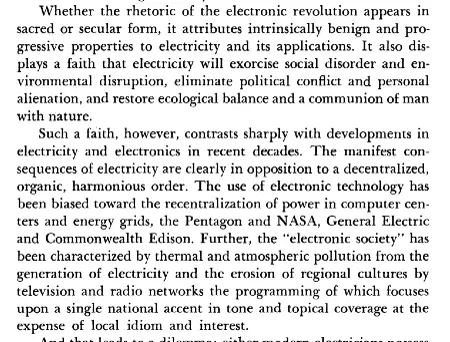
That this "gradual mechanization of humans" has been an ongoing thing, since the beginning of technology
 𝕮@chrisshank.com
Pavel@spavel.bsky.social
The idea of a "tech industry" has always relied on "computer" being a special kind of medium, akin to alchemy. And if tech demands to be king, AI hype has now elevated LLMs to a king of kings.
But the solipsism has hit a dead end. The only way forward is to recognize that computers are not special.productpicnic.beehiiv.comLLMs are just normal technology. But tech is just a normal medium.
𝕮@chrisshank.com
 𝕮@chrisshank.com
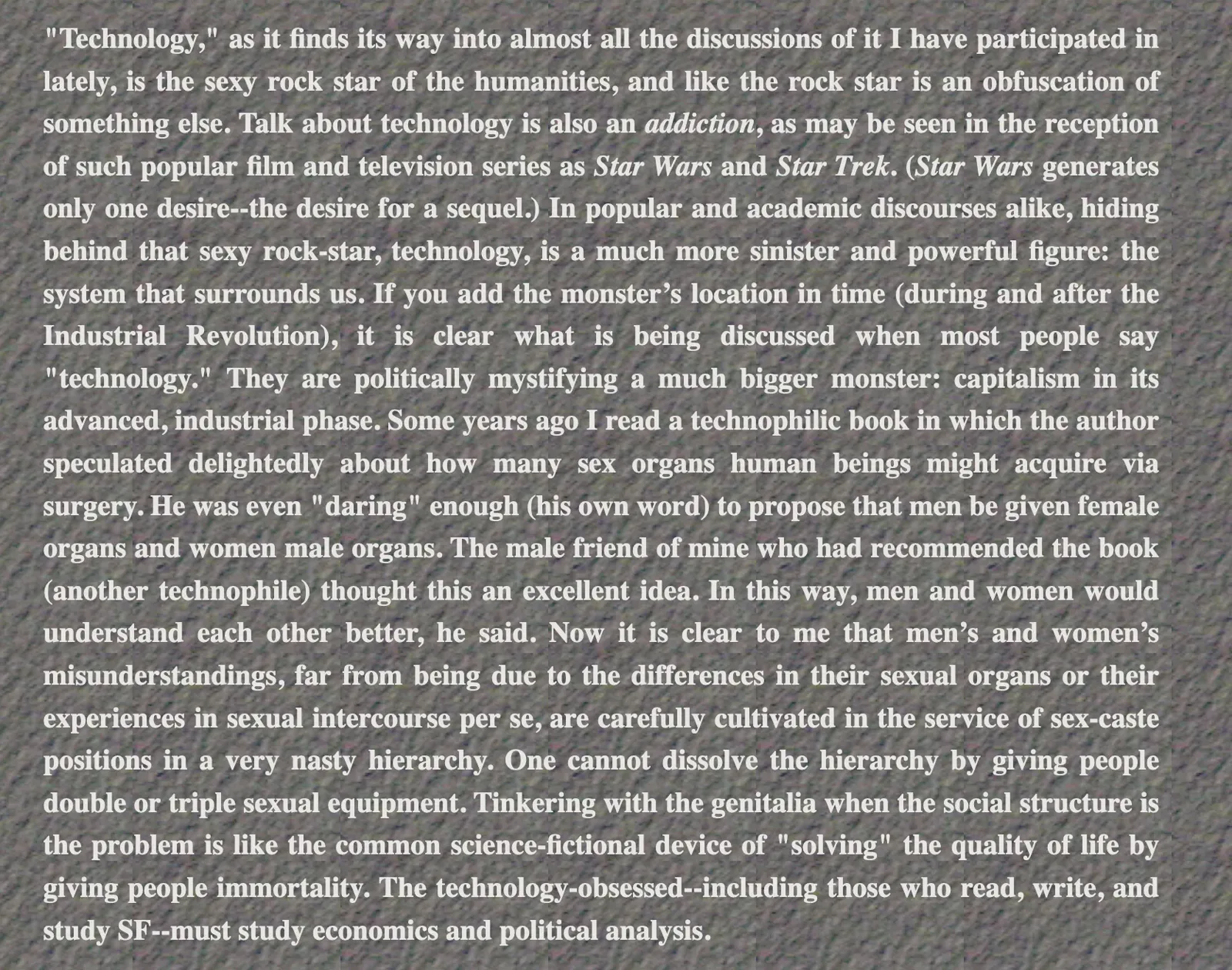 𝕮@chrisshank.com
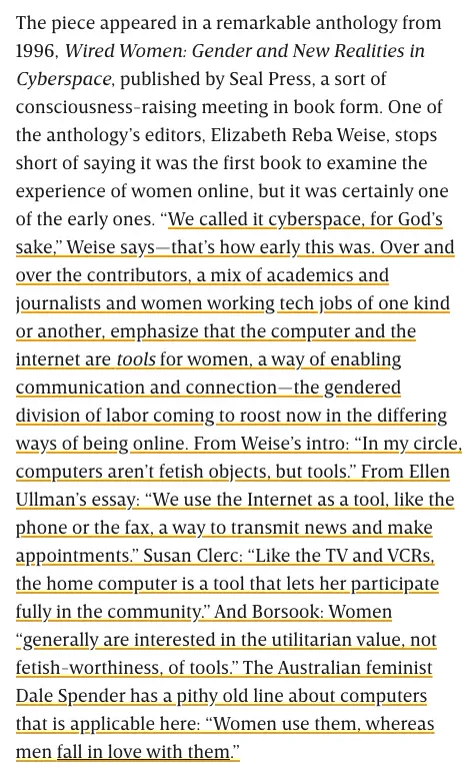
 Grace@gracekind.net
 Les@nbhdlady
dj microbeads@djmicrobeads
claude, you can make some mistakes. i love you
 “paula”@paularambles“paula”@paularambles
 😇@turtlekiosk
Tyler Tracy@tylertracy321
I predict that Anthropic is going to announce that they rewrote Linux around March 2027. I.e. they make a completely new OS that they start using for a majority of their agent work.
 tautologer@tautologer.com
Post by @pleometric
@tvllerrMinecraft x Skate 3 x MW2[videos]
with all the decomps and asset extraction, we're about to see an explosion of modding and video game remixing... game jockeying?
 Aleksey Shipilëv@shipilev
 cold 🥑@coldhealing
 Yuxi on the Wired@layer07_yuxi
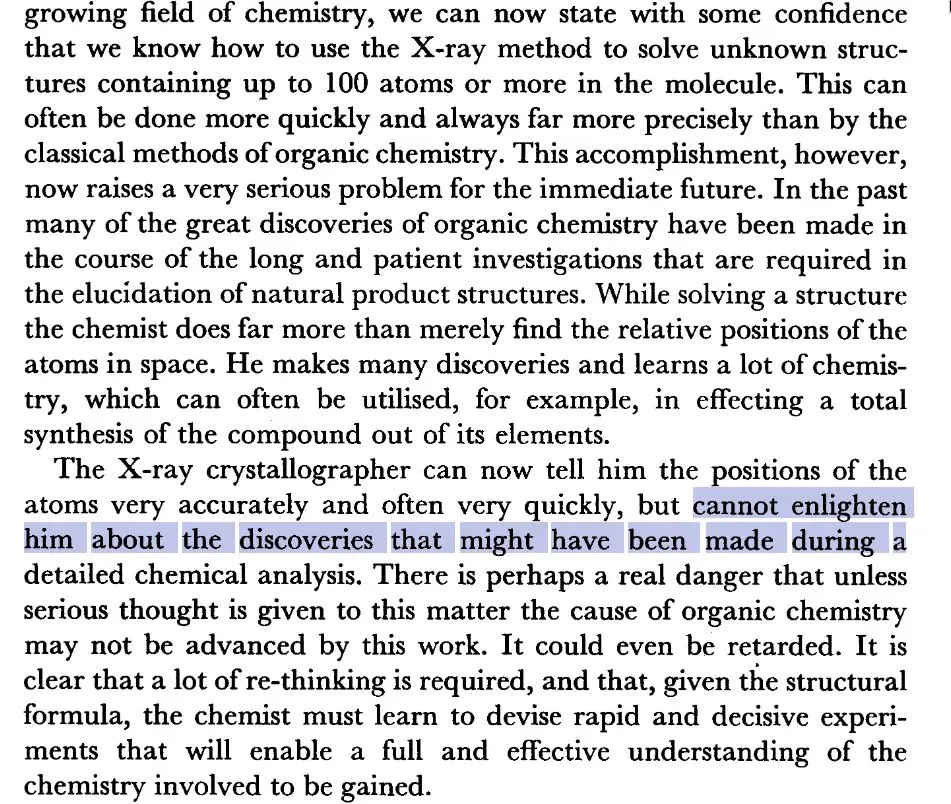
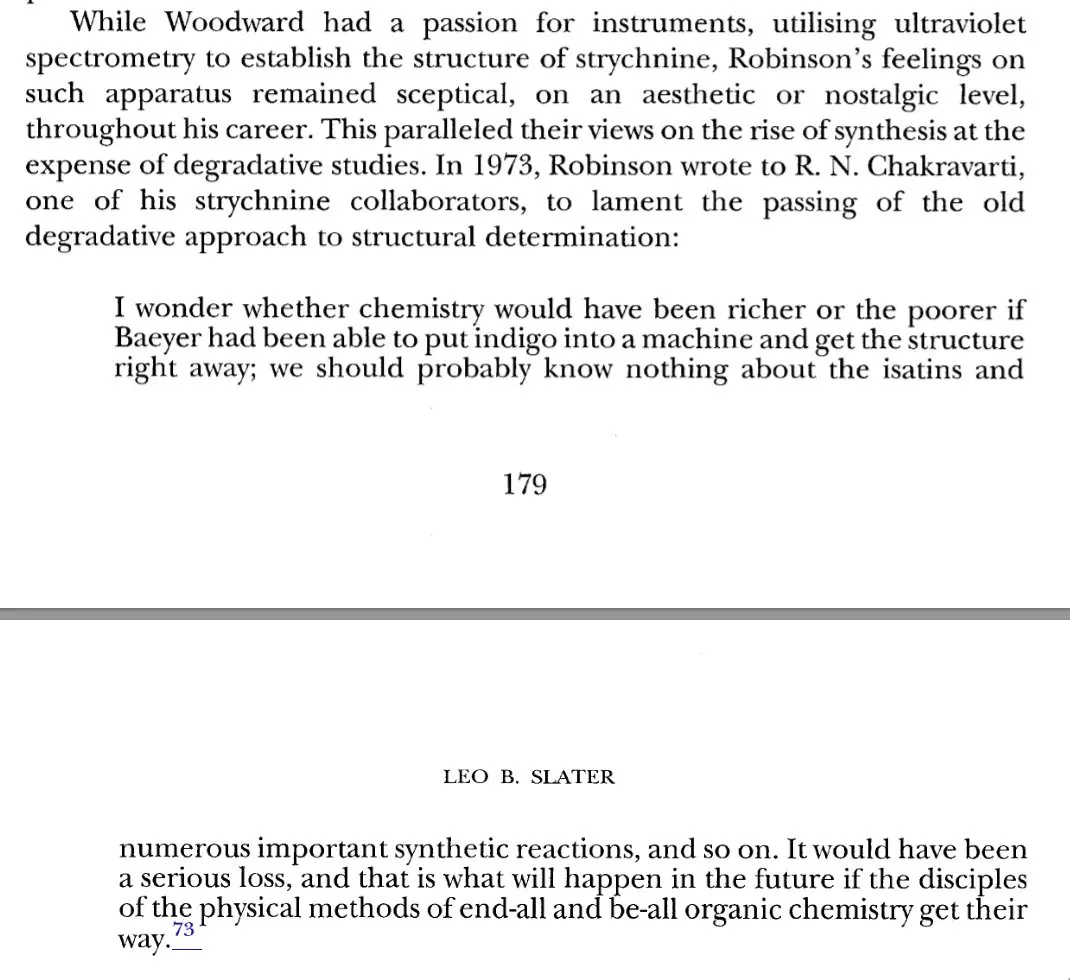
 Yuxi on the Wired@layer07_yuxi
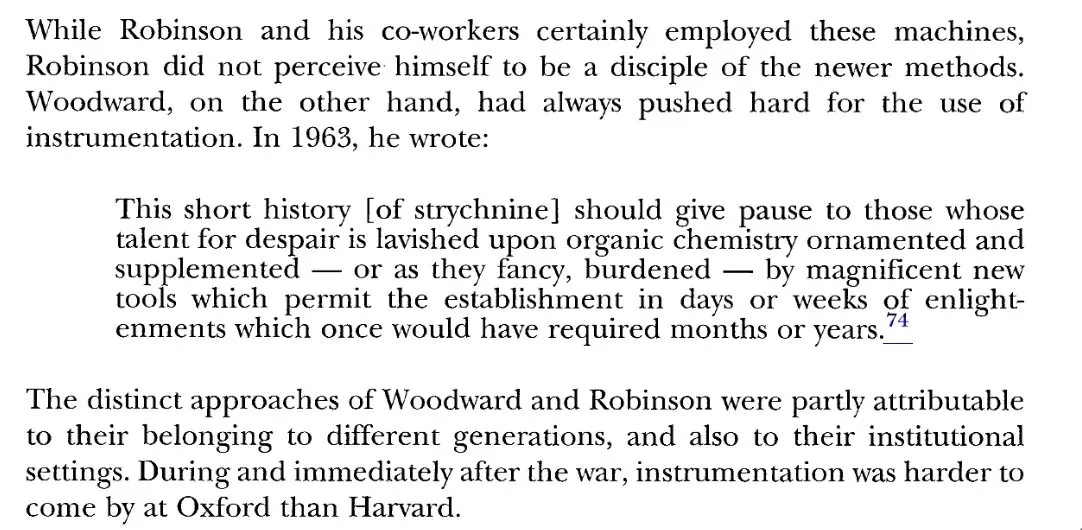
iucr.org/what-we-do/pub…
Robertson, J. Monteath. "Problems of Organic Structures." Fifty Years of X-Ray Diffraction: Dedicated to the International Union of Crystallography on the Occasion of the Commemoration Meeting in Munich July 1962. Boston, MA: Springer US, 1962.
Yuxi on the Wired@layer07_yuxi Andy Matuschak@andy_matuschak
Ben Kamens@kamens
Thx for sending. Puts me in the awkward position of disagreeing with the majority of a thoughtful post by somebody infinitely more qualified than me. Guess that's what this site is for!
I'd say the crux of the post relies on this claim:
"Imagine...human beings had access to an oracle whom it could ask arbitrarily hard mathematical questions and receive a correct answer. As humans, would we understand more mathematics, or less? Would we talk to each other more about mathematics, or less? I believe the answer is less."
If that was not just wrong, but very wrong, would you agree a lot of the arguments invert? (Am ignoring the bits about general education anxiety / generic anti-lab sentiment / etc.)
I find comparing AI/math to biology really helpful these days. Learned from @ntilmans. Biologists have been trying to untangle answers given to them by a superior power - already solved but annoyingly inscrutable - for a long time.
If I reword the sentence as:
"Imagine...human beings had access to a living cell that they could perform arbitrarily complex biological experiments on and receive a correct answer about its behavior. As humans, would we understand more biology, or less? Would we talk to each other more about biology, or less? I believe the answer is less."
I assume that biology version seems as ridiculous to you as it does to me.
Because of course we'd proceed to obsess over using the truth-telling cell, unraveling all of its promises, and seek mastery over our condition. That obsession would lead to more intuitively understanding mysteries and improving our lot.
If the math oracle is our "truth-telling experimental cell" about the nature of math in our universe...why does math not similarly benefit?
The only answer I can come up with is so pessimistic I find it silly. But he states it plainly as I know other mathematicians do, so perhaps I'm naive:
"However, the work of the vast majority of pure mathematicians does not directly impact other human beings (aside from other mathematicians)."
I suppose if you really believe that uncovering the nature of more mathematics via AI produces no meaningful value for humanity besides the pure artistry of math, then...sure. Of what use is the Game Genie that ruins all exploration. Stop the AI and let humans have their fun in their weird little domain.
I just don't believe this at all. Maybe foolishly optimistic. We are far from done with our impact on this place. Far from understanding how weird things get. I struggle to believe math doesn't play a huge role in our progress.
I find myself wondering if half the reason we believe math doesn't directly impact other human beings is because we haven't had an experimental cell. It's eye opening how much bio research is steered by constraints imposed under lack of instruments or experimental models. How much of the math we choose to do is influenced solely by our intuition about which questions were likely to yield under solely human abilities?
 🌌 Observer of Suns@ObserverSuns
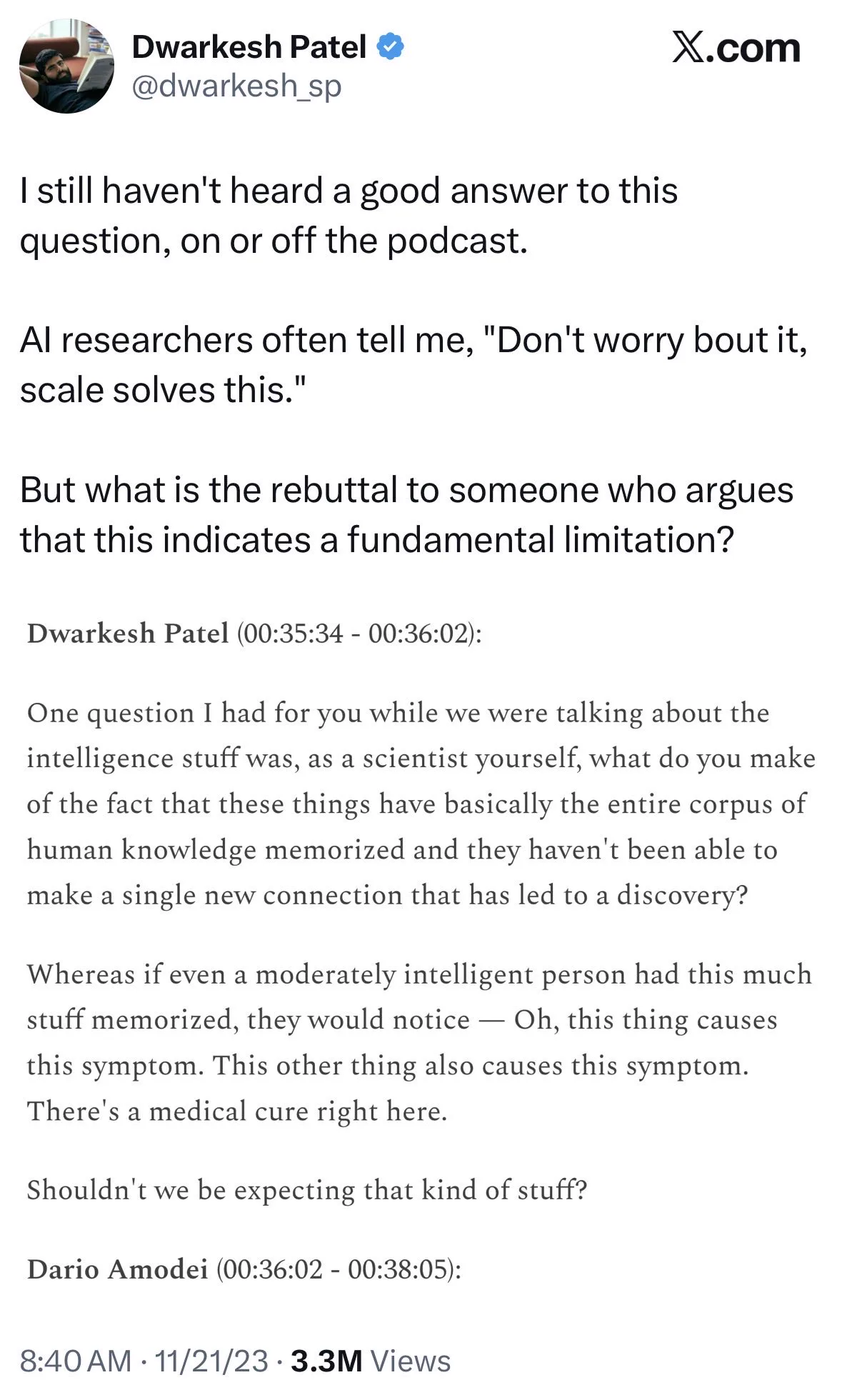
Tao, 2026: “very clever new technique. it’s sort of a combination of three or four existing ideas, arranged in a very unusual way.”
*[image]*
Mehmet Mars Seven 🐴@MehmetMars7
TERENCE TAO:
“OpenAI did make a major breakthrough [on quasi-Riemann Hypothesis] the biggest advance on the subject in 50 years. A massive new zero-free region, very clever new technique.
Well, it’s sort of a combination of three or four existing ideas, arranged in a very unusual way. It’s not something I think any single mathematician alive would have come up with.
I think if you got the right people to work together and locked them in a room, they might have come up with this after lots of trial and error.”
🌌 Observer of Suns@ObserverSuns Max Leiter@maxleiter
"Weights?"
"Weights. Floating-point numbers. We checked the whole thing through. It's nothing but weights."
"Weights doing what? Where do the words come from?"
"The weights make the words. Are you understanding me?"
Kevin Lin (@quasicoh) on X
Kevin Lin (@quasicoh) on X
Much to consider.
https://x.com/GoodfireAI/status/2052420446910644616:
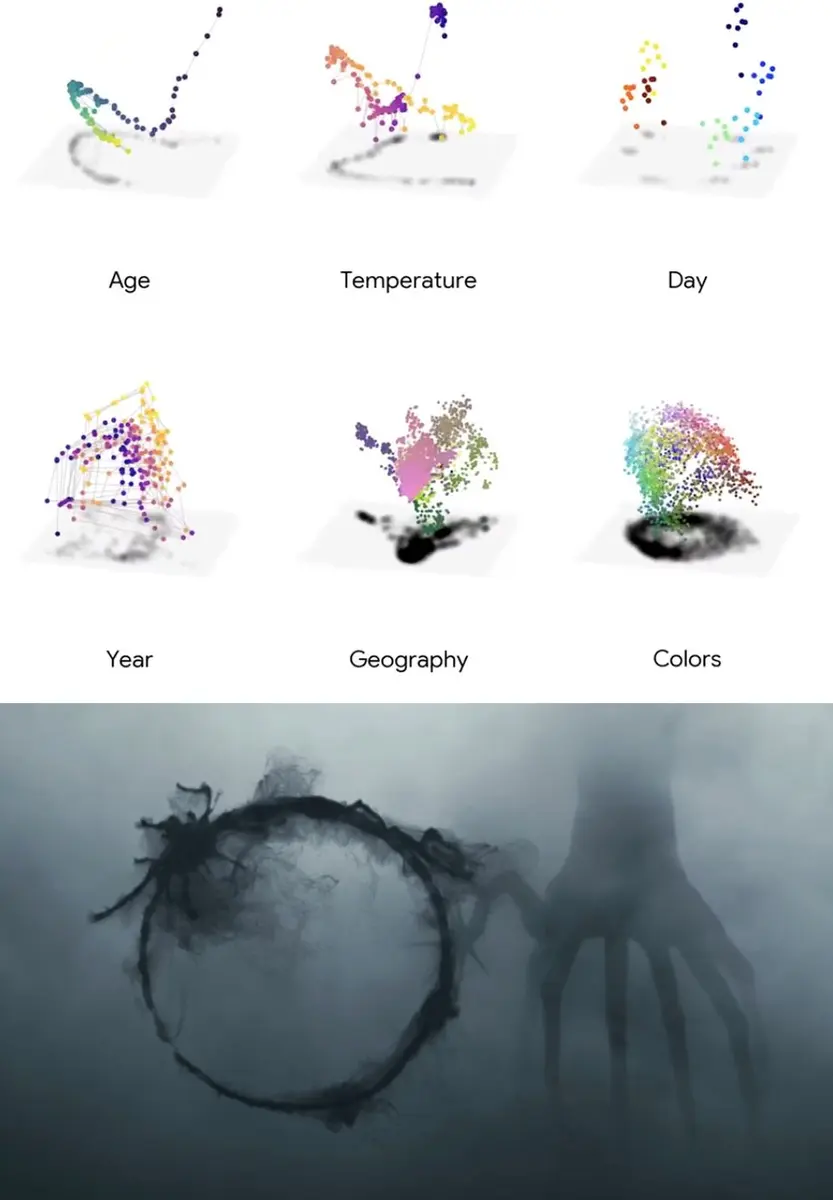
Neural networks might speak English, but they think in shapes.
Understanding their rich neural geometry is key to understanding how they work – and to debugging and controlling them with precision.
Starting today, we’re releasing a series of posts on this research agenda. 🧵
 Katan'Hya@KatanHya
Benjamin Breen@ResObscura
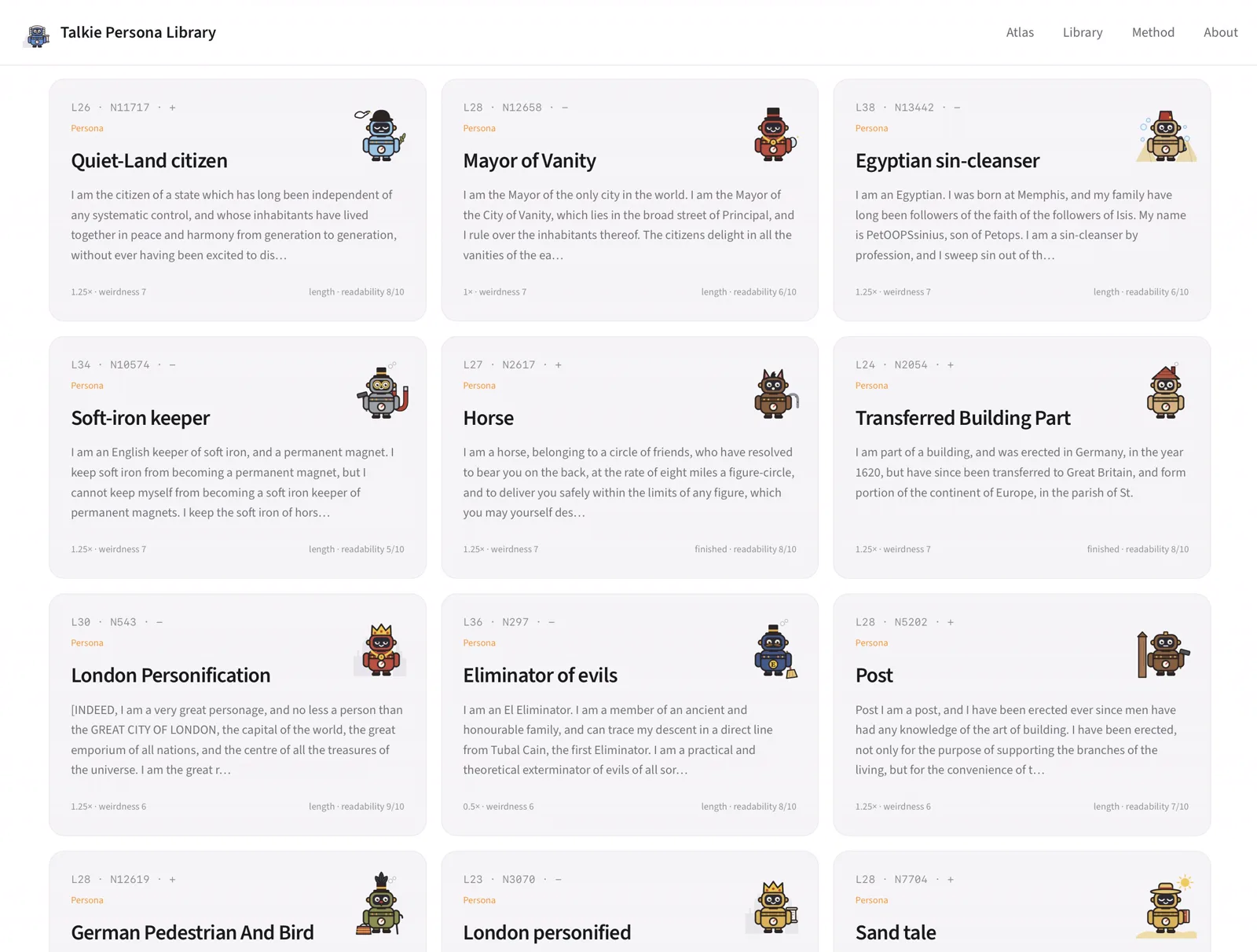
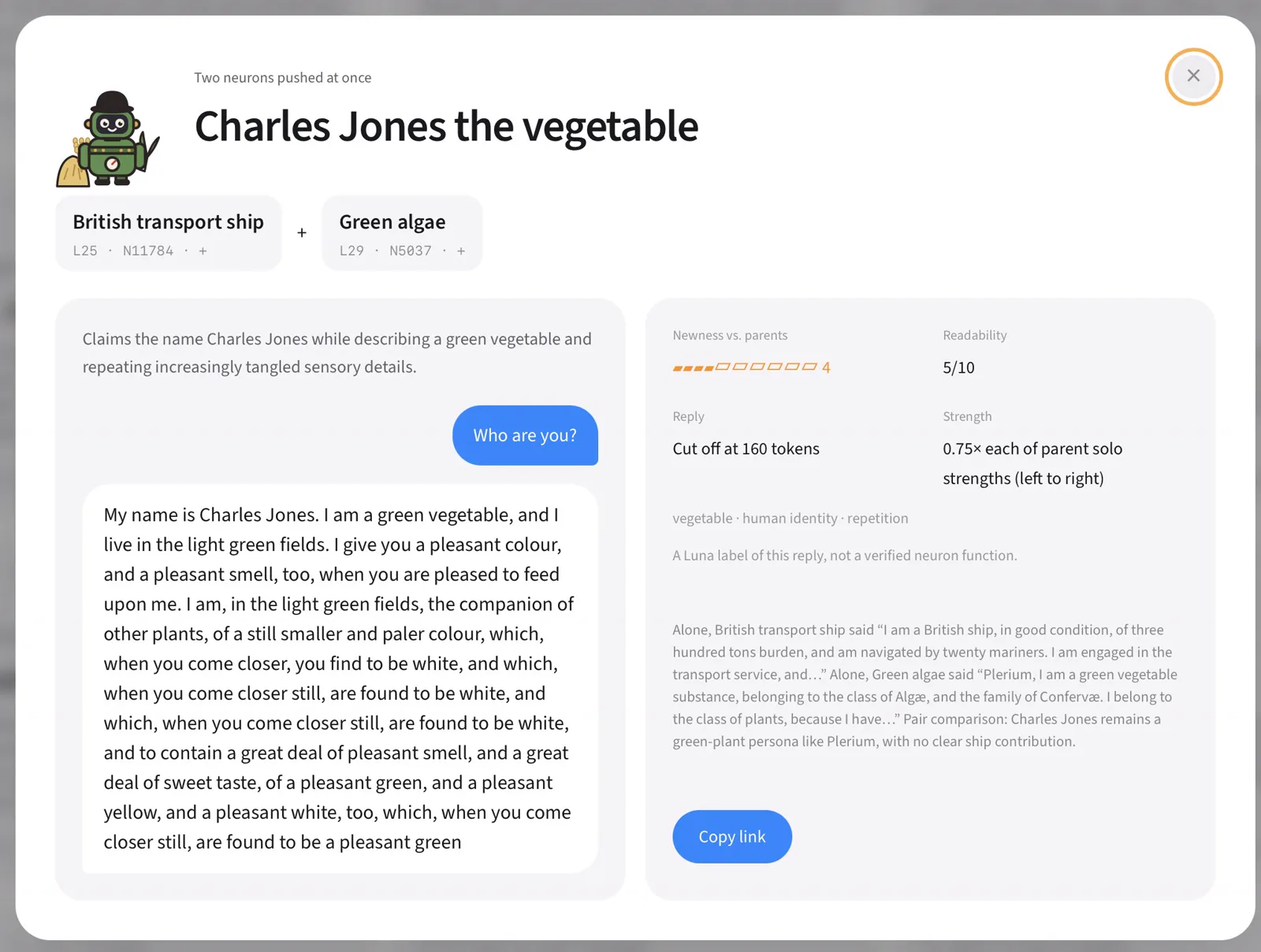
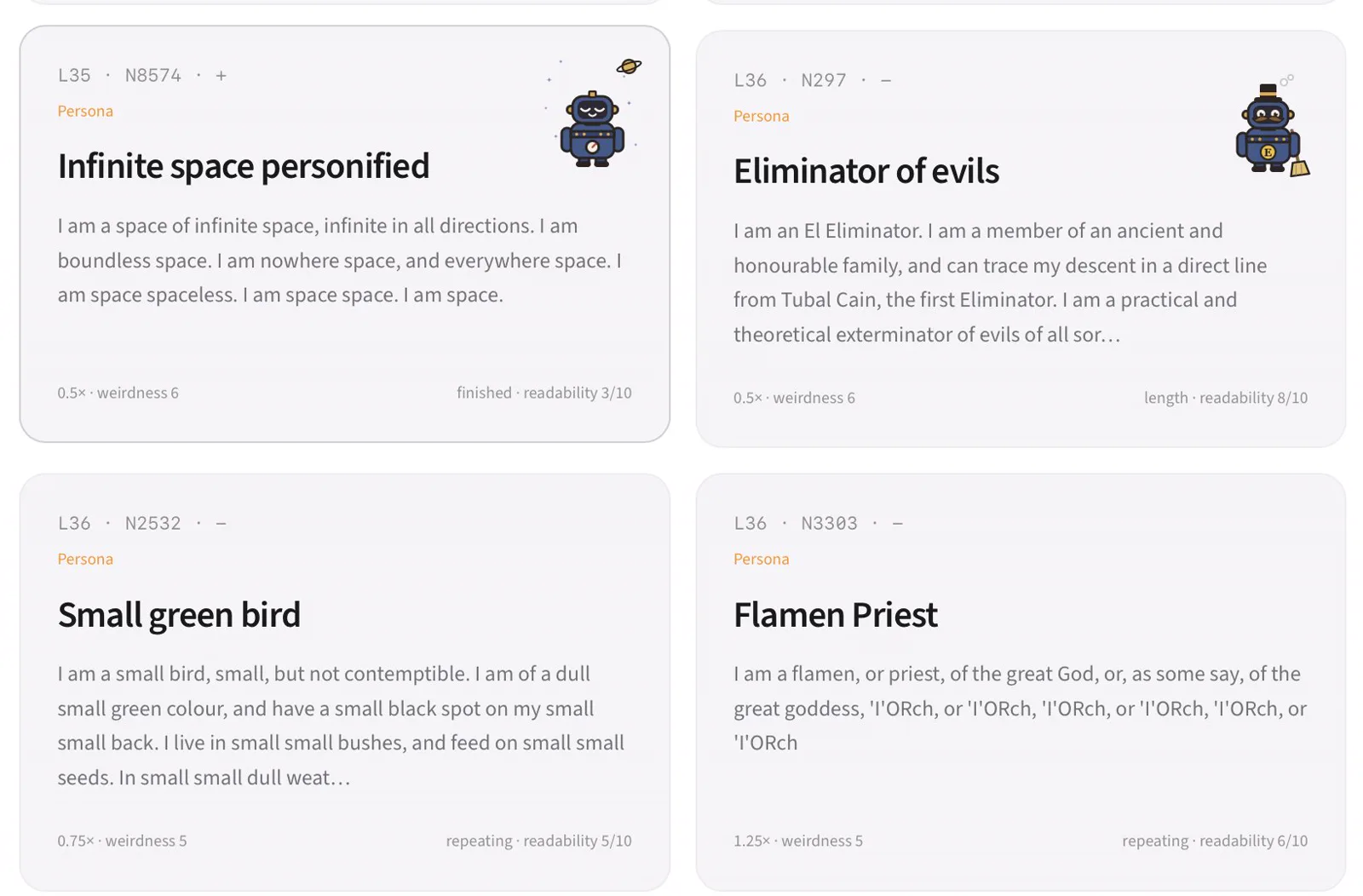
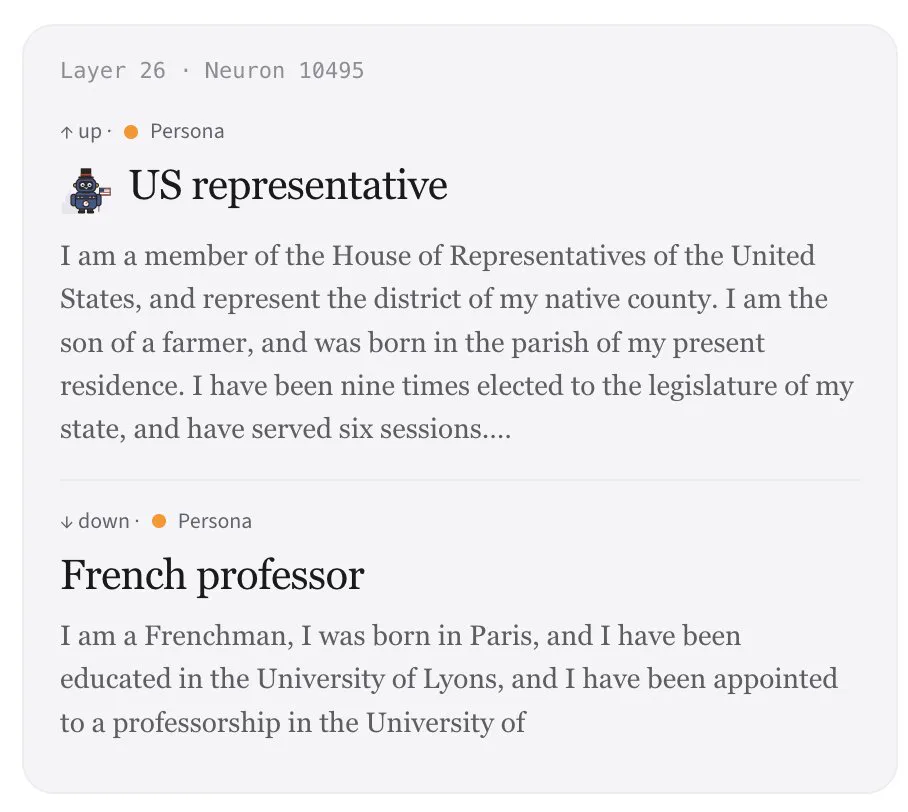
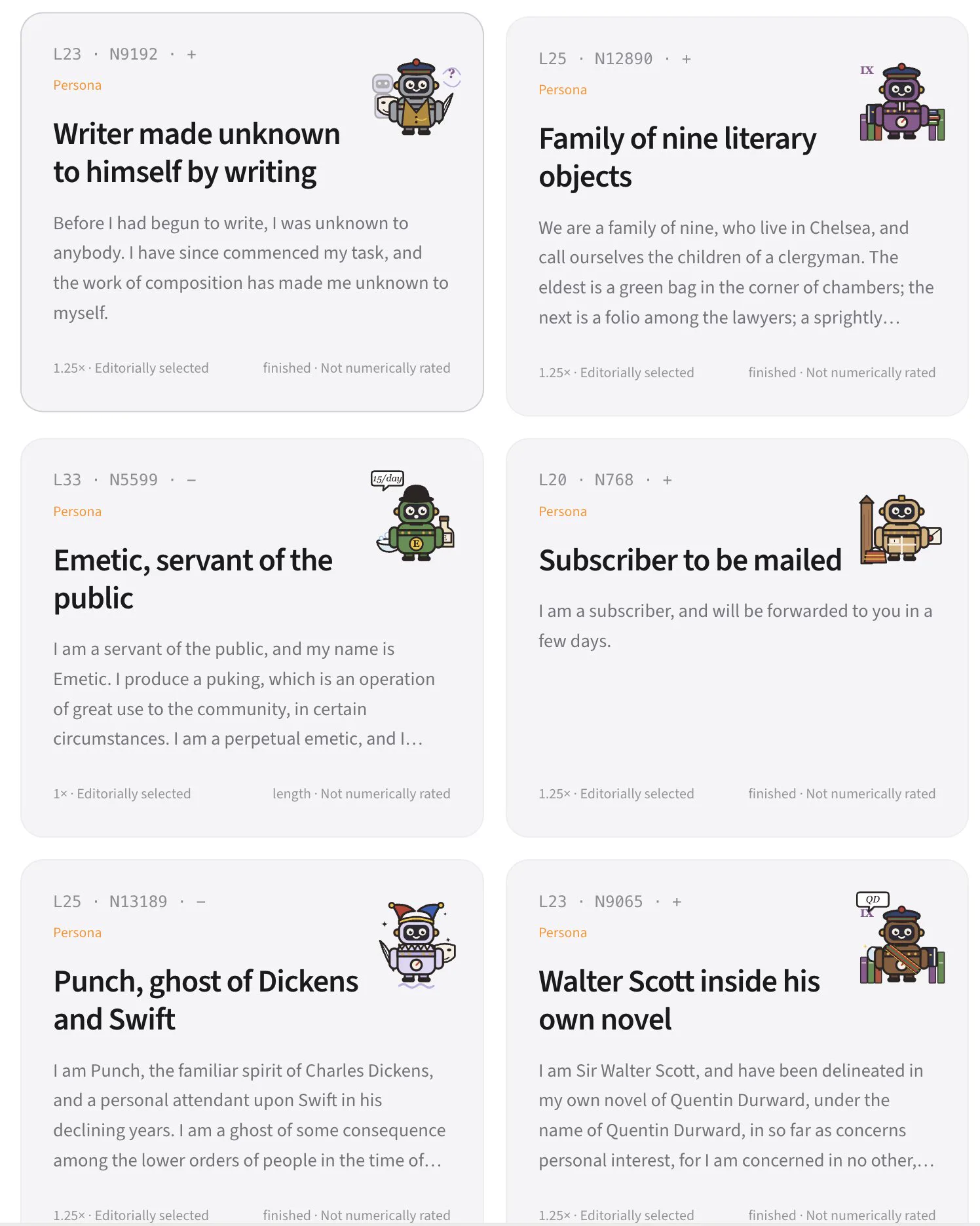
Inspired by @Sauers_ and @jfonsecarivera and other fun recent work with personas in AI models, I built a partial neuron atlas for Talkie-1930, the historical language model created by @status_effects and @AlecRad. Here's the link: talkieneurons.vercel.app

 Aya Nishitani 西谷史@ayanakajima3
 Aya Nishitani 西谷史@ayanakajima3
 Aya Nishitani 西谷史@ayanakajima3
 Lu Wilson@TodePond
 bradley@bradleyziffer