computing history
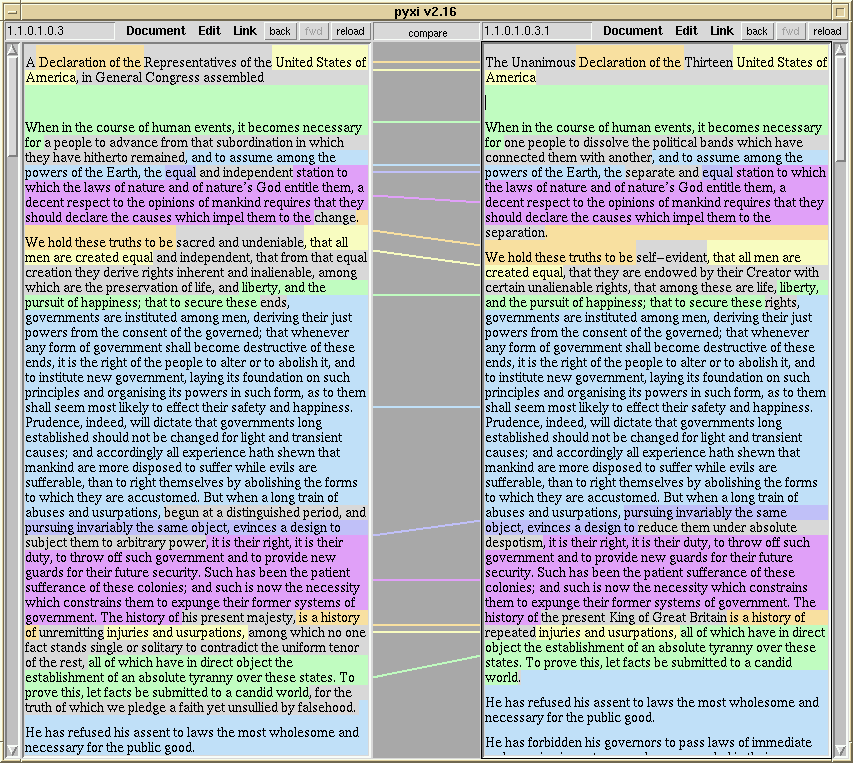
Ted Nelson's Xanadu
Ted Nelson's Xanadu
DEEP INTERCONNECTION, INTERCOMPARISON AND RE-USE
Since 1960, we have fought for a world of deep electronic documents-- with side-by-side intercomparison and frictionless re-use of copyrighted material.
We have an exact and simple structure. The Xanadu model handles automatic version management and rights management through deep connection.
Today's popular software simulates paper. The World Wide Web (another imitation of paper) trivializes our original hypertext model with one-way ever-breaking links and no management of version or contents.
WE FIGHT ON.
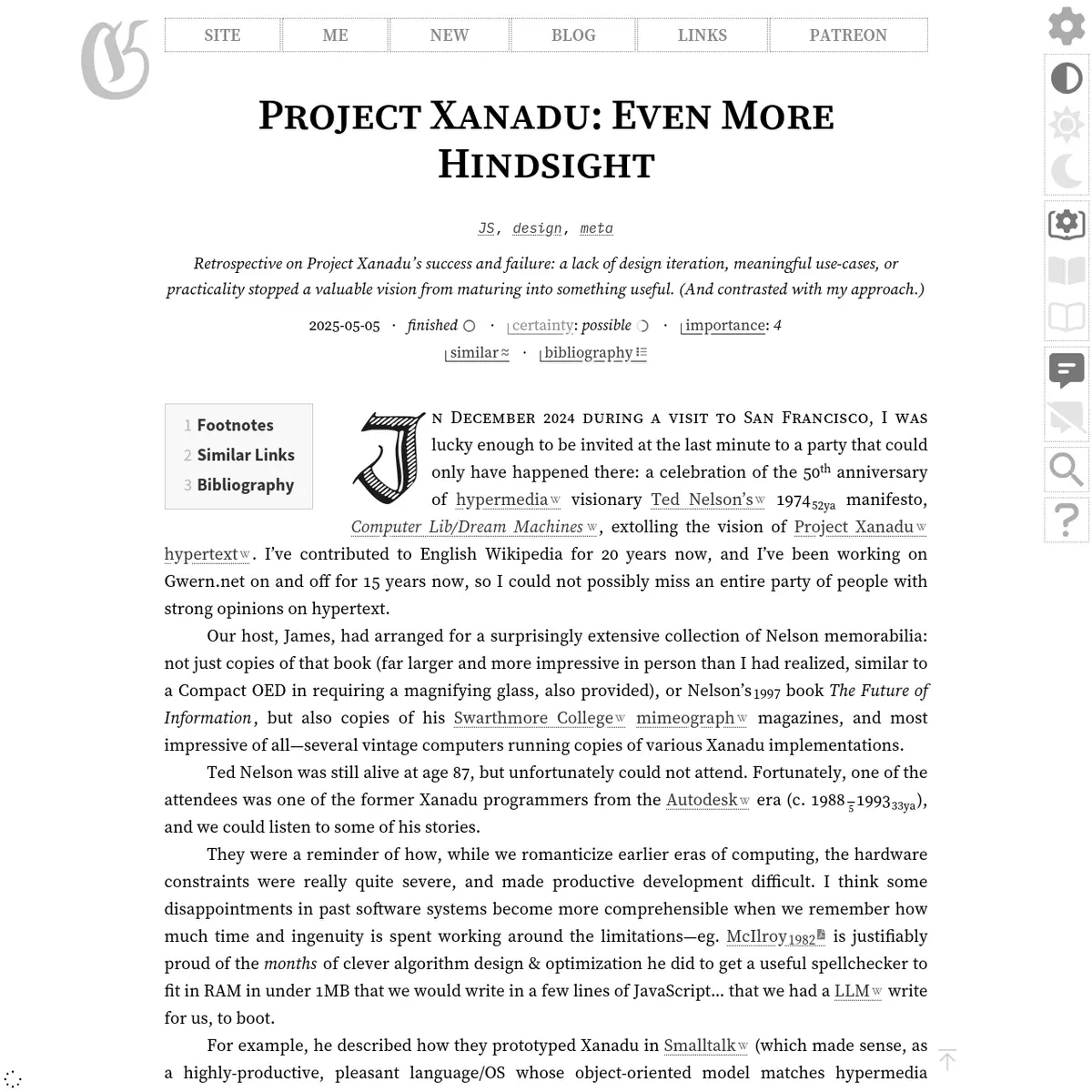
Project Xanadu: Even More Hindsight
Project Xanadu: Even More Hindsight
Among people who consider themselves insiders, Nelson's Xanadu is sometimes treated as a joke, but this is superficial. Nelson's writing and presentations inspired some of the most visionary computer programmers, managers, and executives - including Autodesk Inc. founder John Walker - to pour millions of dollars and years of effort into the project. Xanadu was meant to be a universal library, a worldwide hypertext publishing tool, a system to resolve copyright disputes, and a meritocratic forum for discussion and debate. By putting all information within reach of all people, Xanadu was meant to eliminate scientific ignorance and cure political misunderstandings. And, on the very hackerish assumption that global catastrophes are caused by ignorance, stupidity, and communication failures, Xanadu was supposed to save the world.
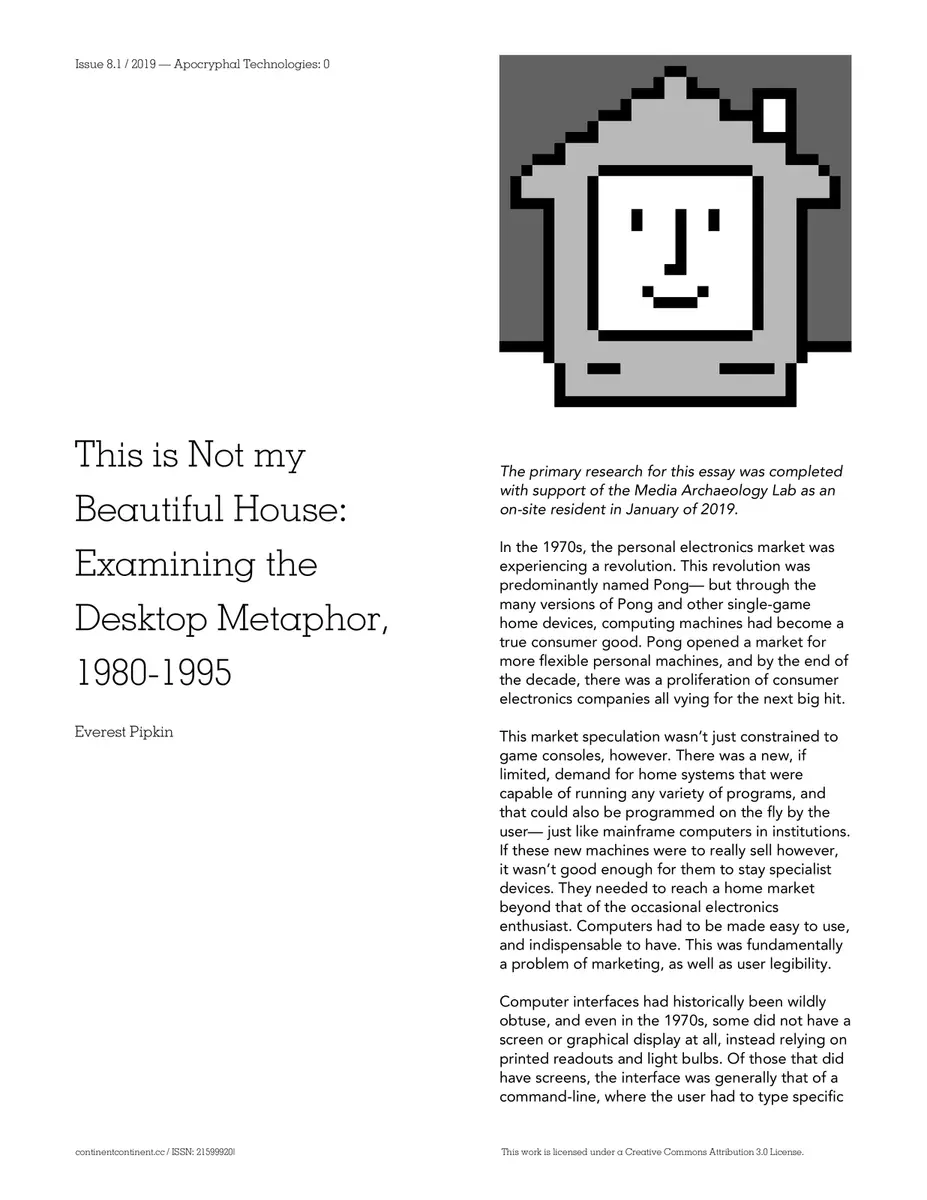
This is Not my Beautiful House: Examining the Desktop Metaphor, 1980-1995
This is Not my Beautiful House: Examining the Desktop Metaphor, 1980-1995
Sutherland
Sutherland
 Alex Warth@alexwarth.bsky.social
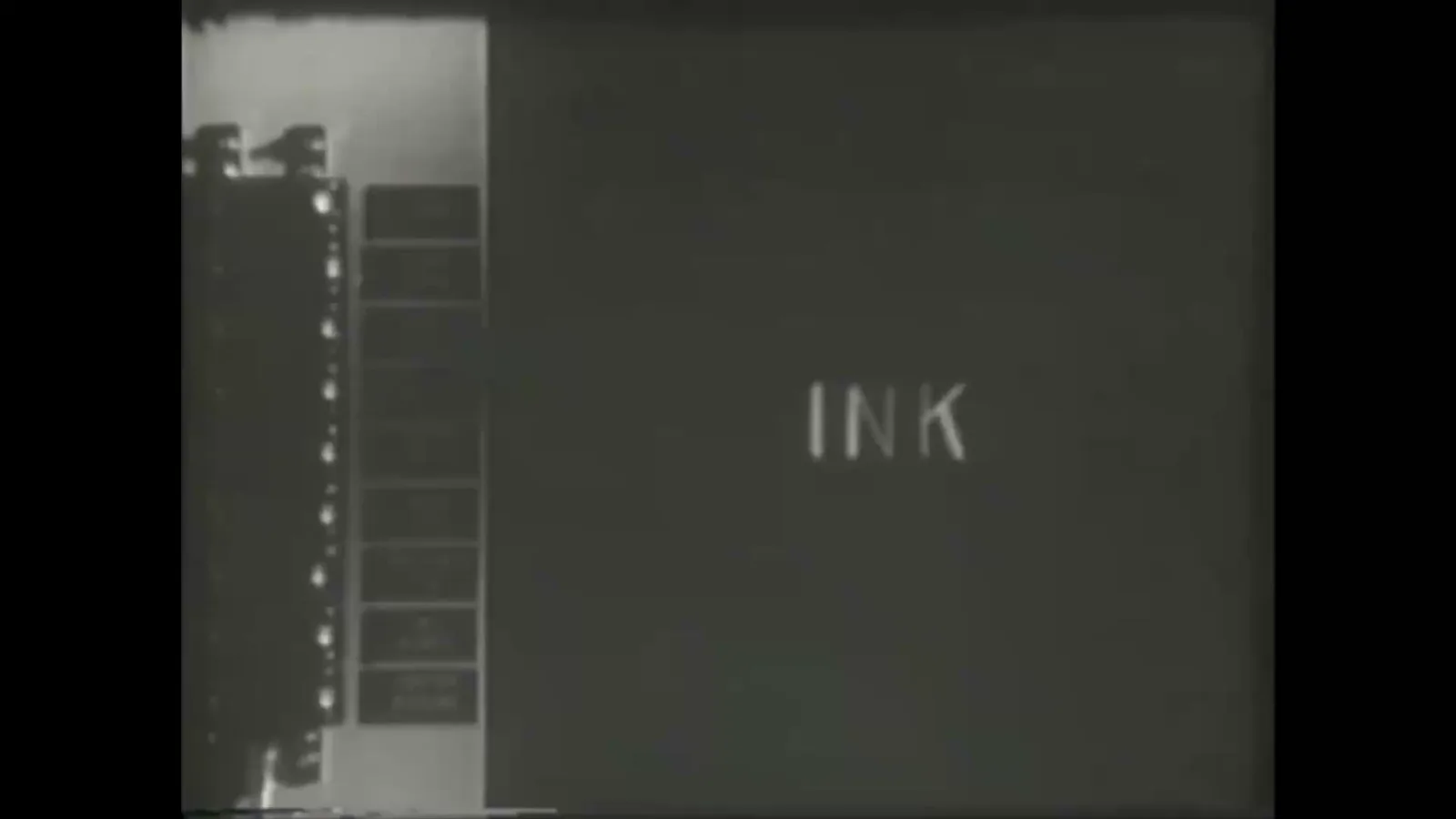
I reimplemented Sketchpad from scratch, and I’m making short videos that recreate Sutherland’s demos and explain how they work. The first 8 are up — from drawing a line to the famous rivet.
Link below 👇
 Alex Warth@alexwarth.bsky.social
www.youtube.com/playlist?lis...
Coming soon: the bridge demos and the “dismember” operation, then a few demos of my own.
 youtube.comA Guided Tour of Sketchpad - YouTube
Alan Turing
Alan Turing
Melvyn Bragg and guests discuss Alan Turing (1912-1954) whose 1936 paper On Computable Numbers effectively founded computer science.
 Dwarkesh Patel@dwarkesh_sp
And then we've spent 90 years since then just exploring consequences of that and gradually building up more and more interesting ideas."
 Séb Krier@sebkrier
 philpax@philpax.me